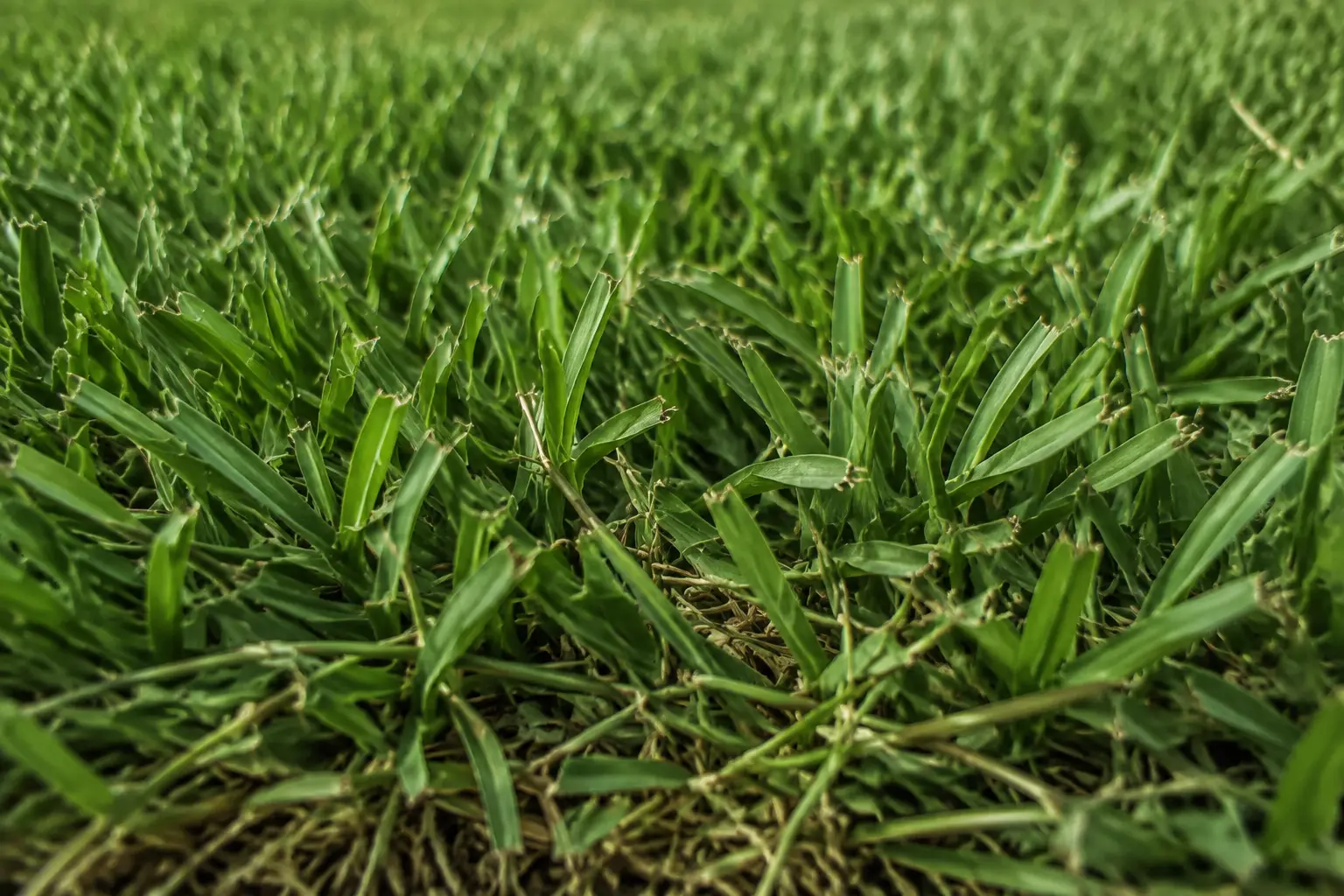
WARM-SEASON TURF
St. Augustine
Often considered forDense residential appearance; cultivar-dependent shade options
Watch closelyDisease, irrigation, mowing height and cultivar fit
 BRANDOW’SLAWN & LANDSCAPEFree Estimate
Grass, trees and plants should be selected around sun, shade, drainage, salt exposure, irrigation, traffic and the maintenance standard you want—not a generic “best plants” list.
The right turf is the one that fits the site and the owner’s tolerance for inputs, texture, recovery speed and seasonal appearance.
Dense residential appearance; cultivar-dependent shade options
Watch closelyDisease, irrigation, mowing height and cultivar fit
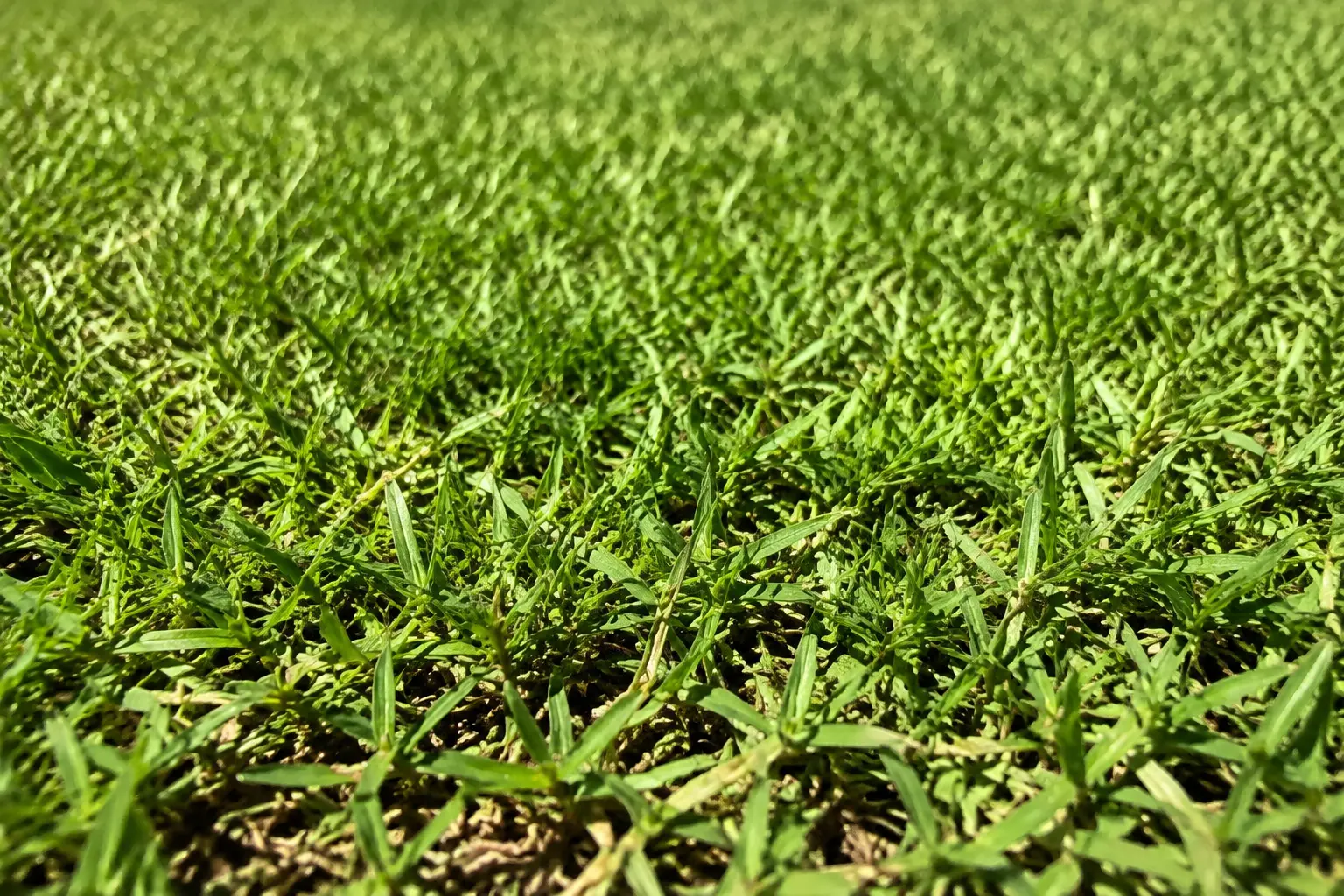
Lower-input Panhandle lawns
Watch closelySlow recovery and naturally lighter color
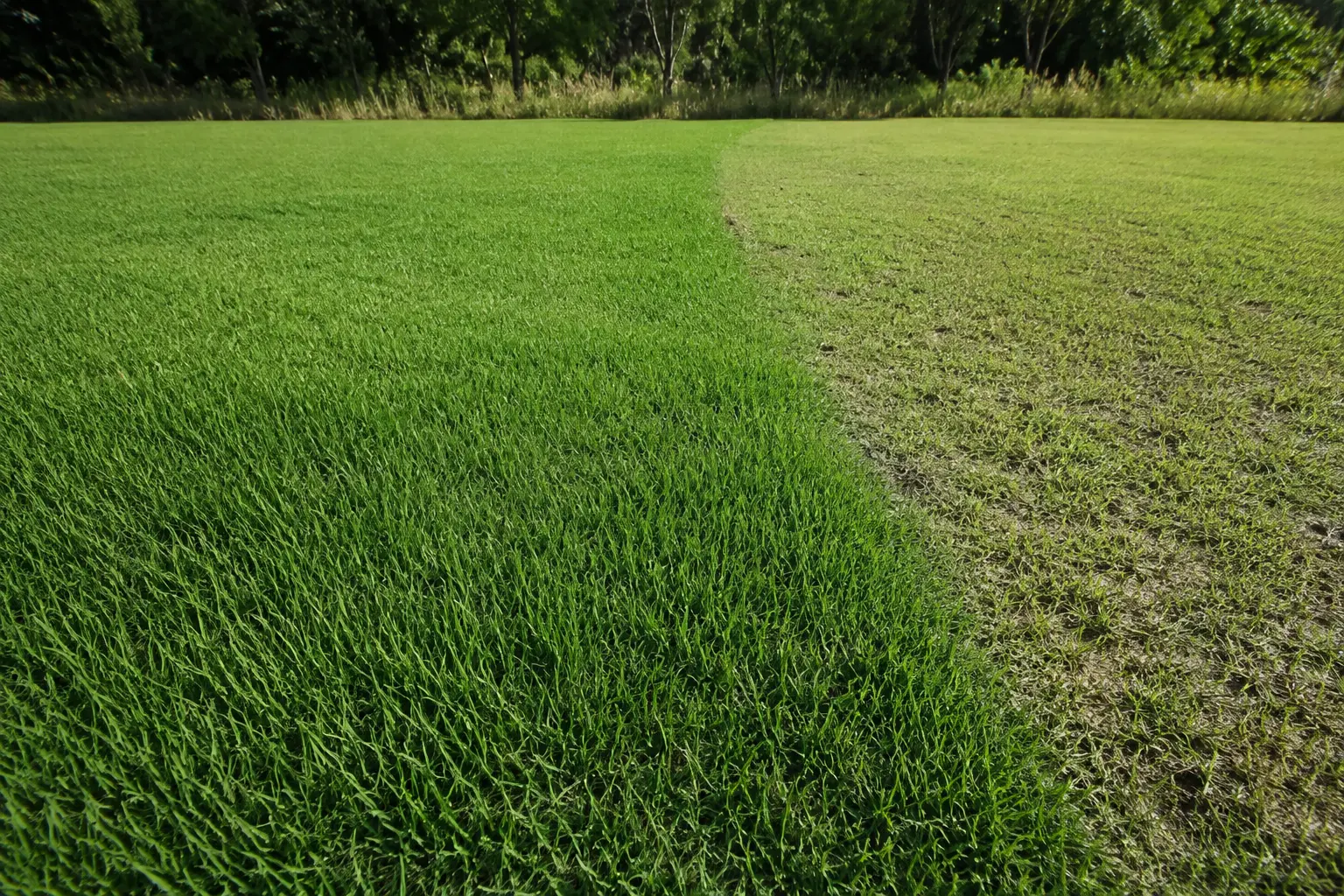
Dense turf and selected traffic applications
Watch closelyMowing, thatch and establishment demands
Larger, lower-maintenance areas
Watch closelyOpen texture and visible seedheads
Images are visual planning references; appearance varies by cultivar, mowing, season, irrigation and site conditions.
Use the interactive grass & plant selectorThese are useful candidates to evaluate—not automatic recommendations. Mature size and site conditions decide whether they belong.
Live oak and southern magnolia where long-term space, roots and utilities allow.
Yaupon holly and wax myrtle where mature form matches the intended space.
Coontie, muhly grass and dwarf palmetto for durable texture and layered beds.
Use this as a planning rhythm. Weather, plant type and property exposure still control exact timing.
Audit irrigation, drainage, access and bed structure before active growth.
Check coverage, refresh beds and assess turf before major improvements.
Keep mowing consistent and investigate runoff, saturation and dry arcs.
Address storm damage and use moderating temperatures for planned improvements.
We help commercial properties define high-visibility zones, service timing, irrigation reporting, recurring standards and improvement priorities.
St. Augustine, centipede, zoysia and bahiagrass are all used in Florida, but the best fit depends on sun, shade, soil, irrigation, traffic and appearance expectations. A site assessment should come before sod selection.
Cooler fall conditions often reduce heat stress and can support root establishment, but species, irrigation readiness and weather matter. Container-grown material may be planted at other times when properly managed.
Tolerance depends on actual salt spray, wind, soil and exposure. A plant suitable several blocks inland may struggle on an exposed beachfront site, so coastal tolerance must be matched to the specific location.
Commercial planning must account for entrances, signage, parking, guests, service windows, liability, irrigation reporting, budgets and measurable vendor standards—not appearance alone.
Request a practical assessment for turf, planting, irrigation or recurring grounds care.