Large sites with multiple zones
Parking islands, public approaches, pedestrian routes, visibility standards and coordinated service areas.
 BRANDOW’SLAWN & LANDSCAPEFree Estimate
Recurring grounds maintenance, landscape enhancements and accountable property support for HOAs, condominiums, healthcare, government, hospitality, retail, professional campuses and multi-location operators.
A commercial landscaping company should provide a written, property-specific scope; seasonal service frequencies; measurable standards for turf, beds, pruning and debris; irrigation observation rules; defined communication and escalation; and a process for approving enhancements or storm work. The proposal should make performance clear instead of relying on the phrase “full service.”
Brandow’s evaluates commercial landscaping, recurring lawn care and grounds maintenance for Panama City businesses, HOAs, condominiums, healthcare facilities, retail sites and managed portfolios. Every proposal begins with a property walkthrough that identifies service zones, seasonal frequency, irrigation responsibilities, priority entrances and the approval process for improvements. This is the primary service page for commercial property maintenance requests.
The right plan protects presentation without interfering with residents, patients, guests, customers, employees or emergency access.
Entrance monuments, road frontage, pools, shared lawns, amenity zones and board-ready scope clarity.
Explore association care HEALTHCARE & PROFESSIONALPatient entrances, accessible routes, visibility, operating hours and controlled service access.
Explore healthcare grounds HOSPITALITY & RENTALSArrival zones, pool approaches, turnover schedules and resilient presentation during peak occupancy.
Explore rental care RETAIL & RESTAURANTSSigns, storefront visibility, customer paths, drive-throughs and scheduling around deliveries and business hours.
Explore retail groundsParking islands, public approaches, pedestrian routes, visibility standards and coordinated service areas.
Shared reporting and contacts with property-specific scope, access, frequency and priority zones.
Explore manager supportUse the page that matches the property, operational problem or decision in front of you.
Separating recurring care, irrigation, enhancements, storm work and reporting prevents assumptions from becoming service failures.
Mowing, edging, bed detail, pruning, debris removal and seasonal frequency by service zone.
Visible issue reporting with clearly defined authorization for diagnostics, parts and repairs.
Mulch, sod, plant replacement, bed renovation and approved curb-appeal improvements.
Separate priorities, debris limits, disposal, seasonal planning and emergency authorization.
Use this framework when comparing landscape companies. The exact inclusions should be confirmed in writing for your property.
| Work category | Base scope should define | Often priced separately | Management question |
|---|---|---|---|
| Turf & edges | Zones, frequency, mowing height, edging and cleanup | Sod replacement and major repair | Does frequency change by season? |
| Beds & plants | Weeding, pruning limits, debris and bed appearance | Mulch, new plants and renovation | Who approves replacement material? |
| Irrigation | Observation, reporting and emergency shutoff process | Diagnostics, parts and repairs | How quickly are active leaks escalated? |
| Storm response | Communication, access and priority zones | Heavy debris, hauling and emergency labor | What is routine versus storm work? |
| Reporting | Primary contacts, walkthroughs and issue documentation | Special inspections or reports | What evidence accompanies recommendations? |
Selected commercial-property imagery supplied for Brandow’s portfolio. Individual maintenance, installation and enhancement scopes should be confirmed during the walkthrough.
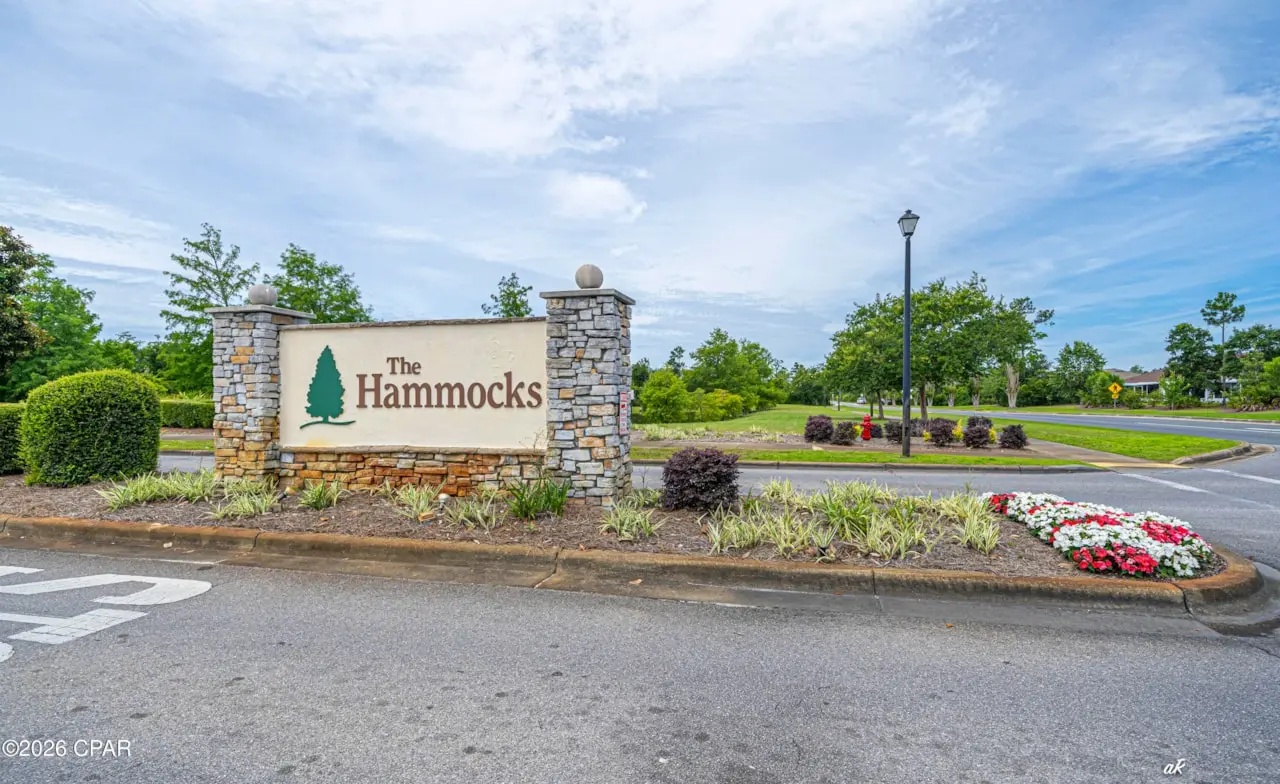
Monument beds, sightlines, seasonal color and the first impression residents and guests see.
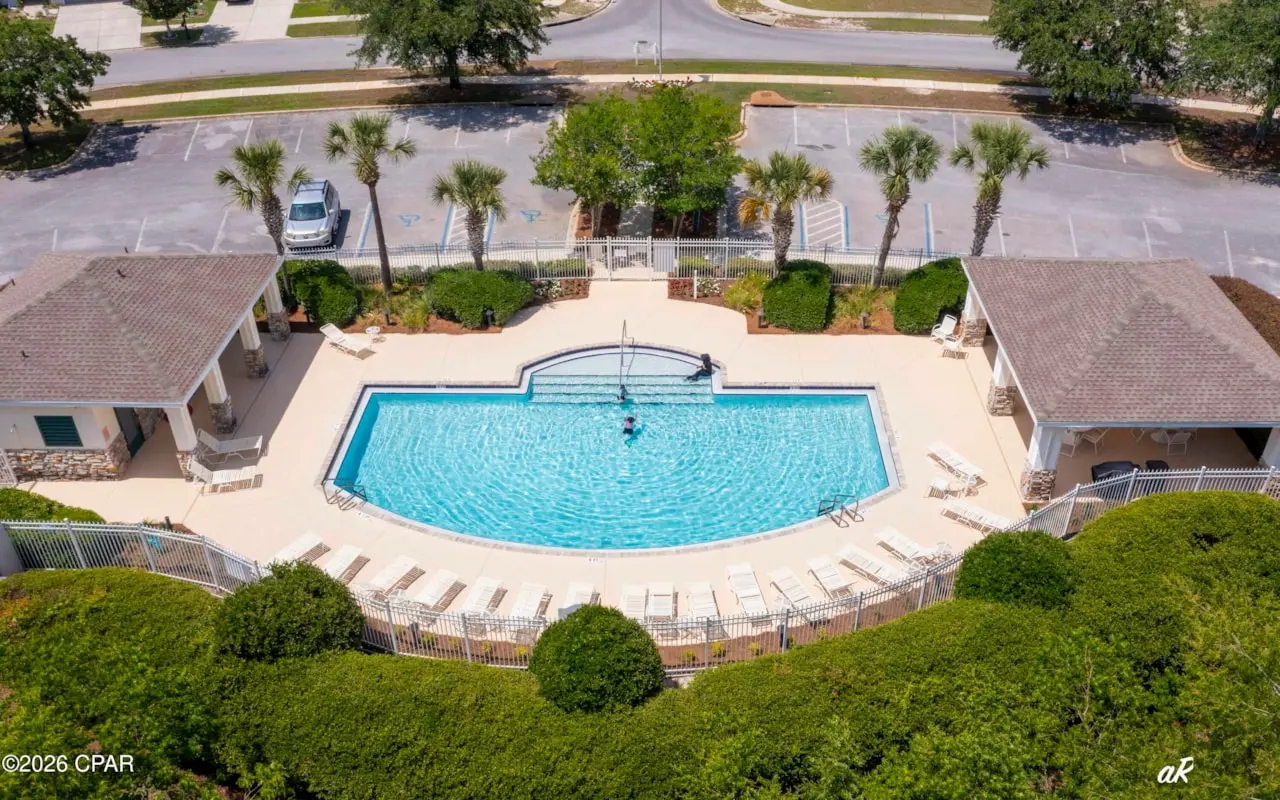
Guest circulation, pool approaches, palms, shrubs and detail standards around shared amenities.
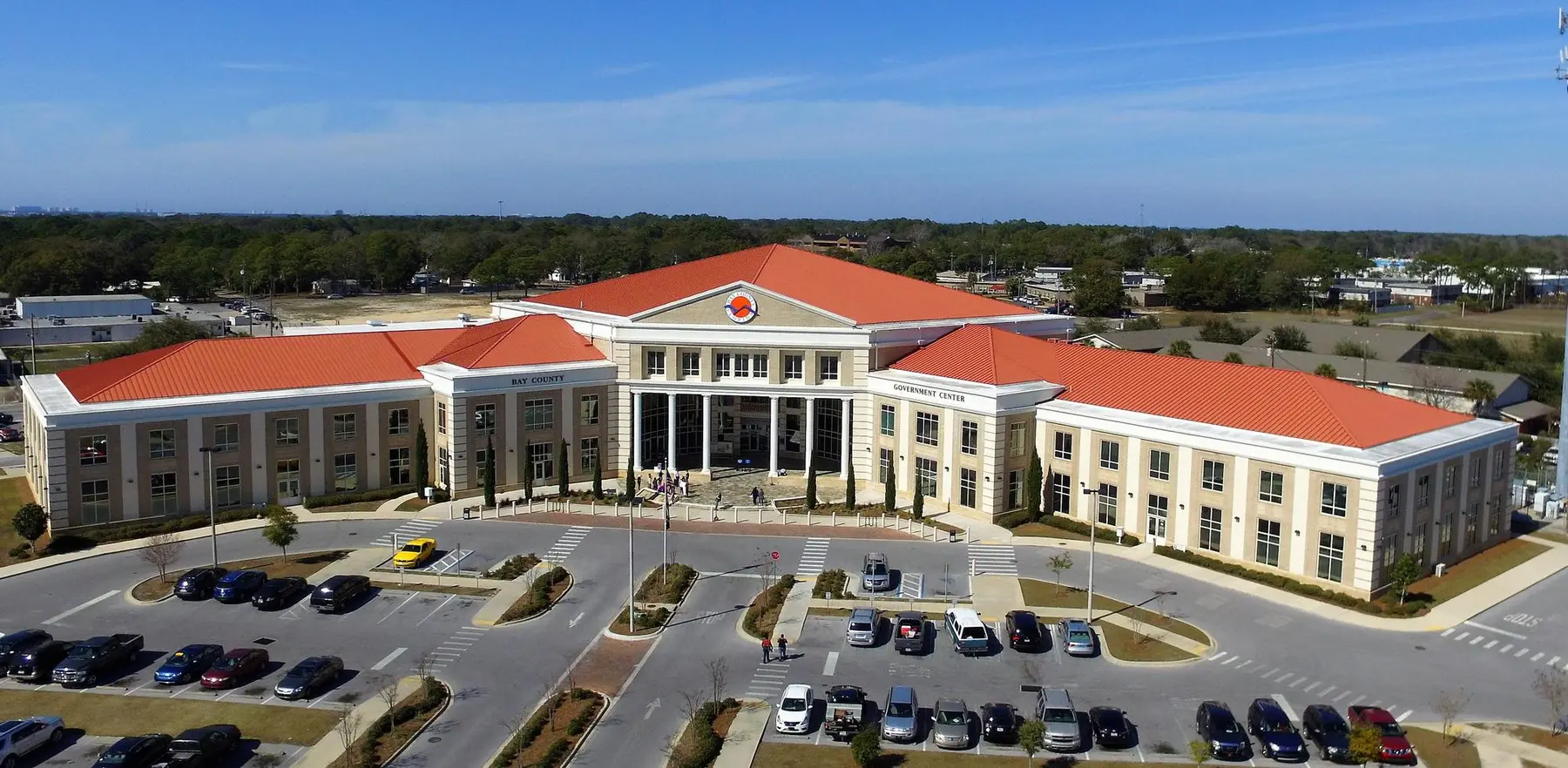
Multiple entrances, parking islands, visibility, pedestrian routes and coordinated service zones.
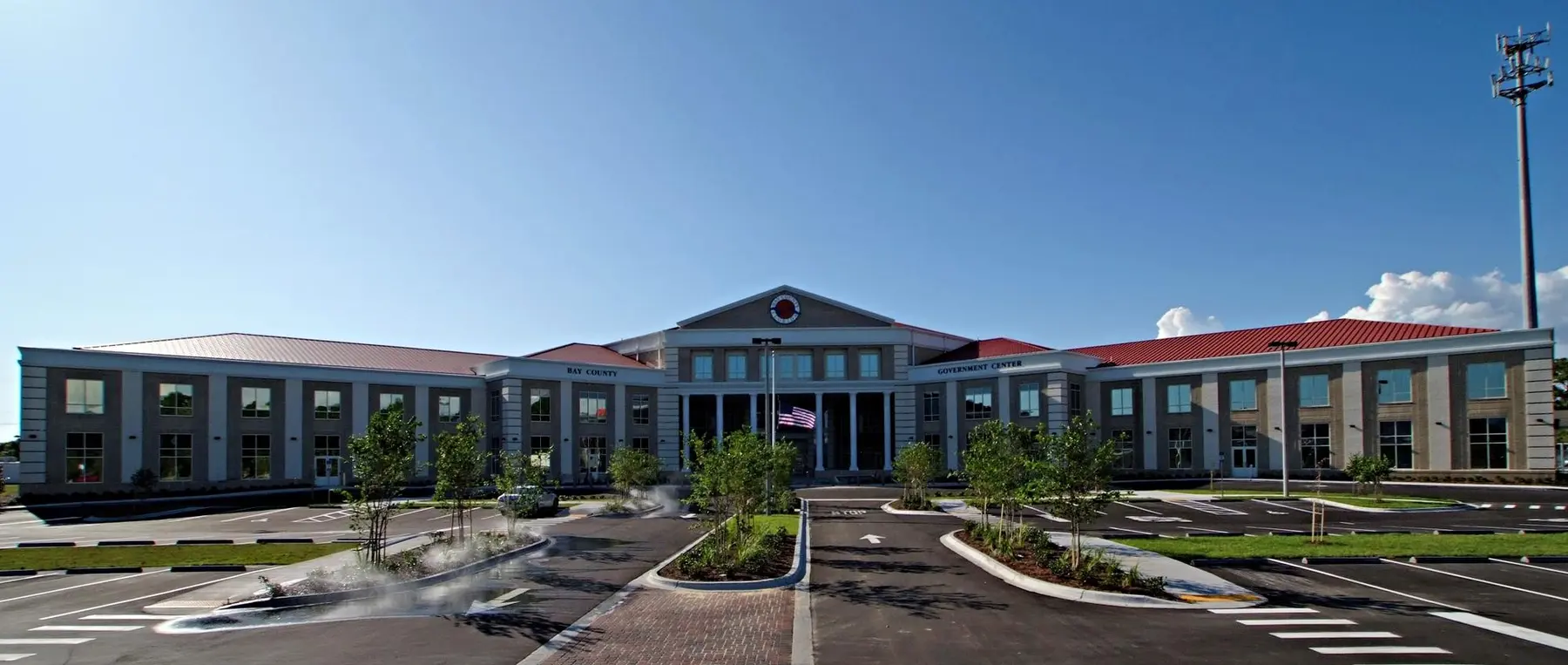
Defined curb lines, young tree care, irrigation observation and public-facing presentation.
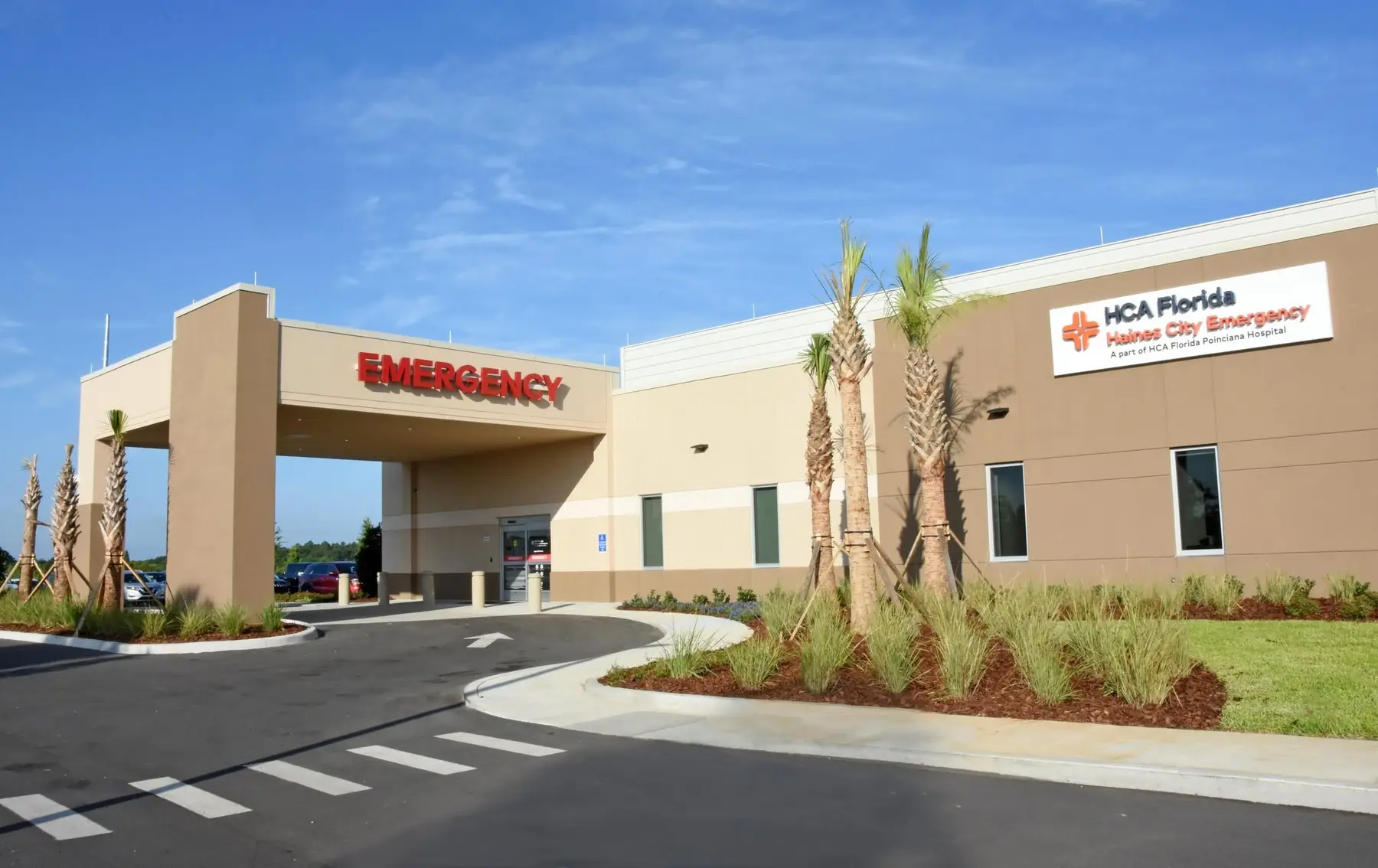
Landscape presentation planned around visibility, accessibility, emergency circulation and operating hours.
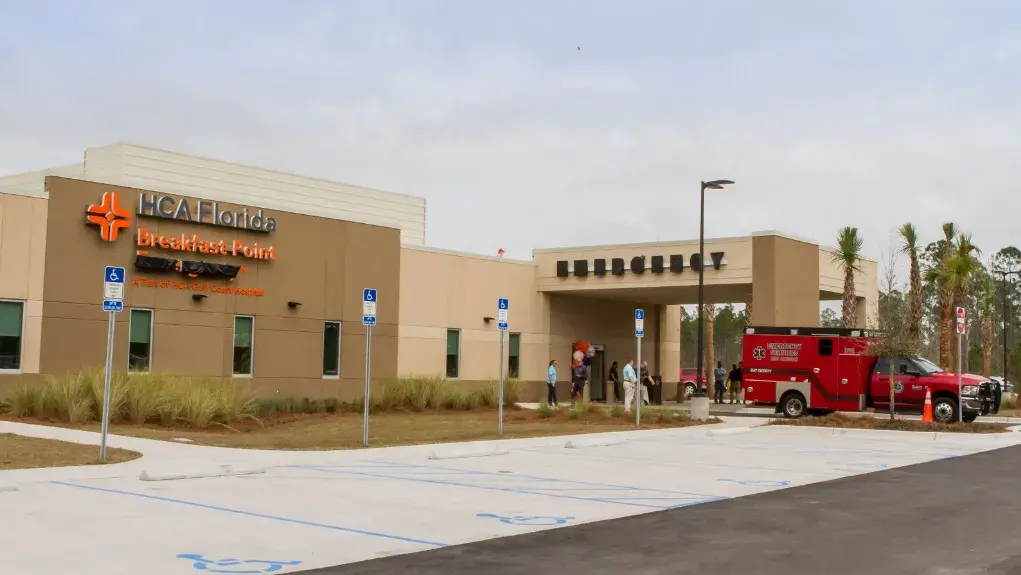
Clean sightlines, controlled plant height, accessible approaches and practical maintenance access.
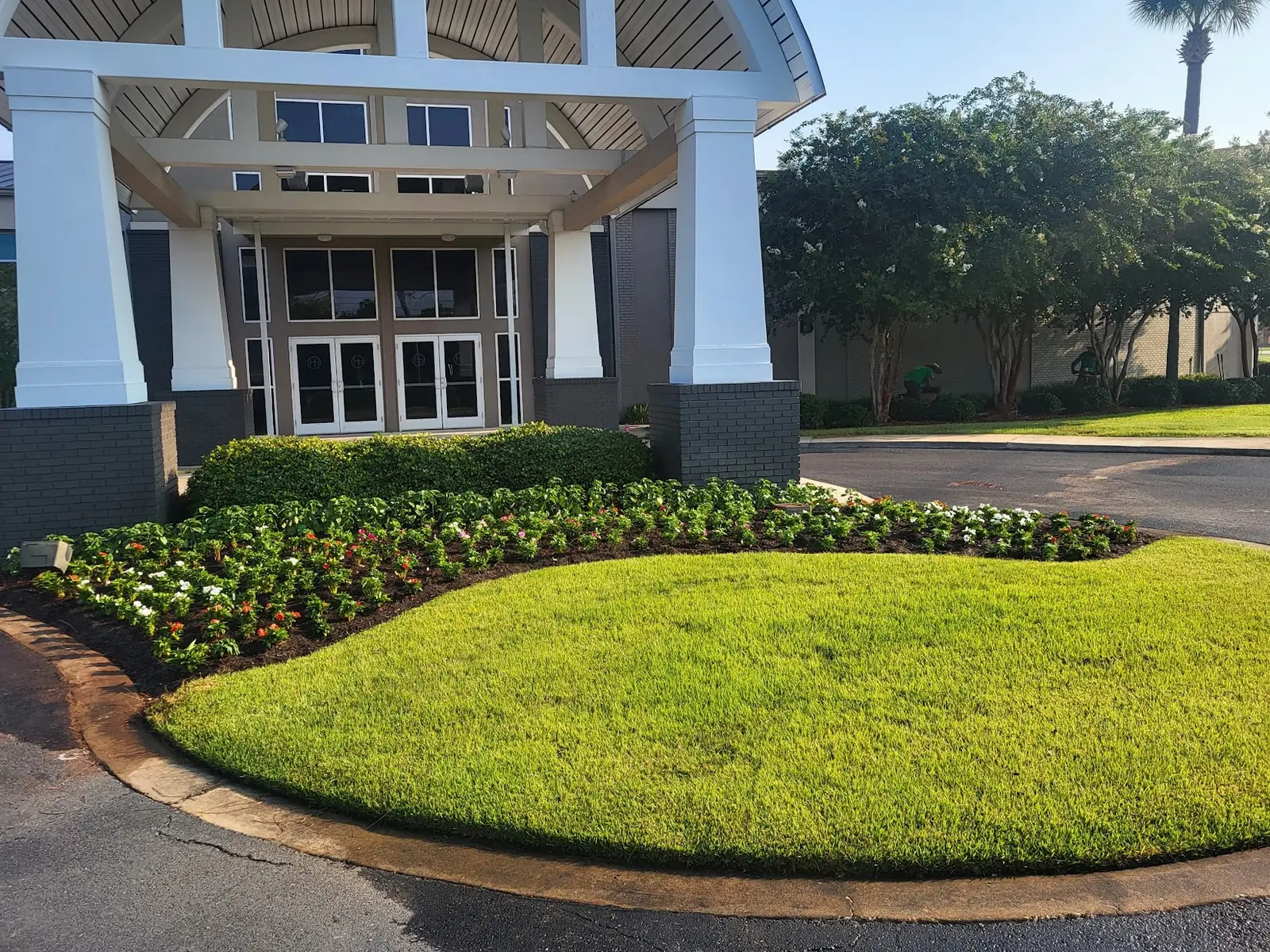
Turf edges, flowering beds, shrubs and entrance details that must stay ready for daily arrivals.
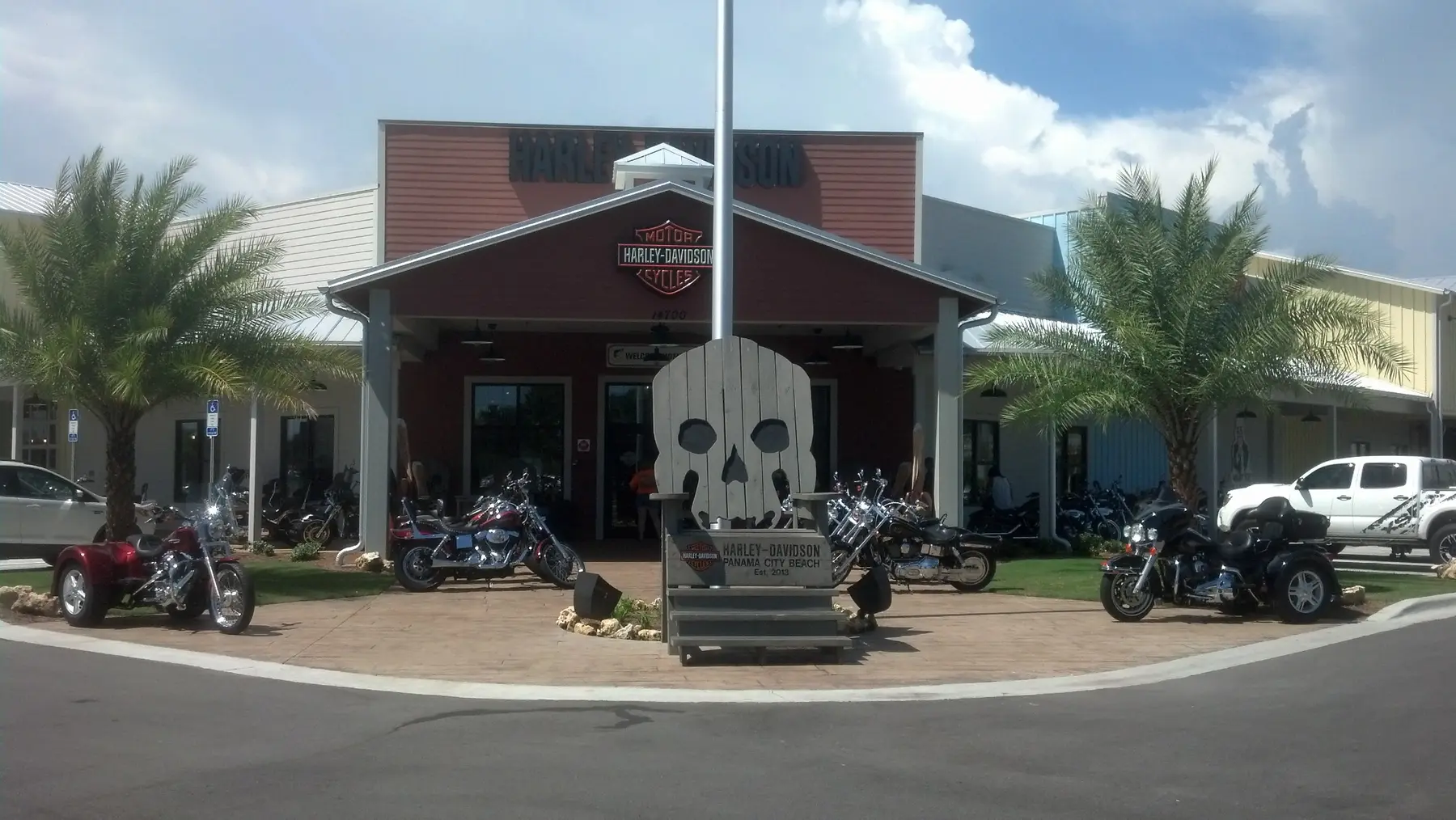
Storefront visibility, palm care, customer paths and service timing around operating hours.

Site preparation, plant installation, irrigation coordination and the transition into ongoing care.
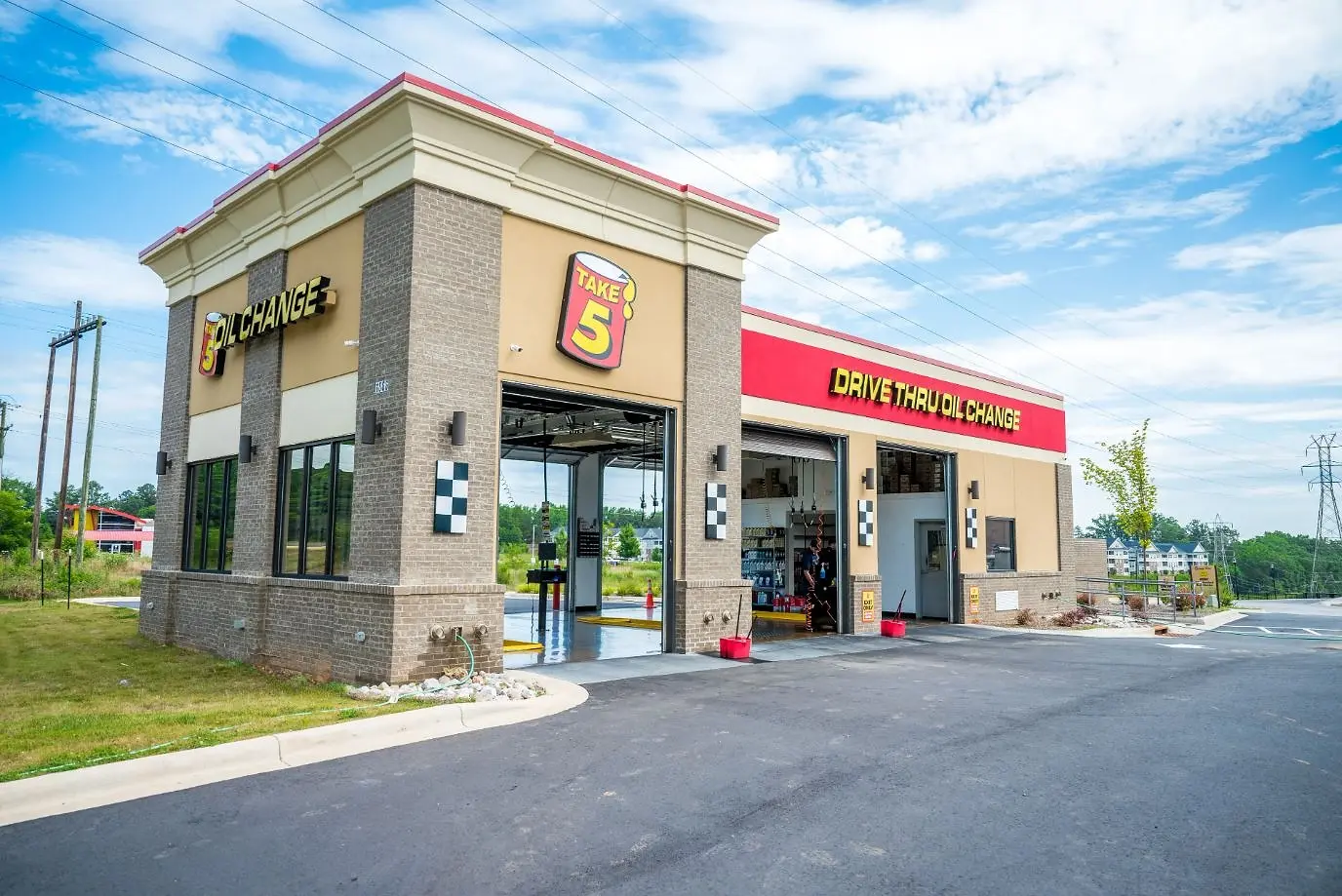
Durable planting and maintenance planned around vehicles, service bays, signs and customer access.
Review the property challenge, photographed work and limits of each published claim before requesting a similar scope.
Photographed commercial entrance work centered on turf consistency, flowering beds, shrub definition and the daily arrival experience.
View commercial projectDocumented managed-property work around community entrances and shared amenity areas where appearance, access and resident use overlap.
View commercial projectThe objective is a scope an owner, manager, board or procurement team can evaluate and administer.
Share locations, property type, decision process, current concerns and desired start date.
Map service zones, access, presentation priorities, irrigation concerns and deferred work.
Define recurring work, seasonal frequencies, exclusions, reporting and optional enhancements.
Confirm expectations, approval limits, contacts, insurance requirements and transition timing.
Document starting condition, open defects, schedules and highest-priority corrections.
Use inspections and issue reporting to separate routine performance from new improvements.
Every request is reviewed for route fit, property type, scope and operating requirements.
Government, healthcare, offices, associations and established commercial corridors.
Explore Panama CityCondominiums, hospitality, restaurants, retail and guest-focused properties.
Explore Panama City BeachHigh-presentation communities, vacation rentals, hospitality and managed portfolios.
Explore 30ACommunity standards, coastal exposure and rapidly growing commercial areas.
Explore Santa Rosa BeachCoastal resilience, vacation properties and storm-aware service planning.
Explore Mexico BeachCommercial sites, managed communities and multi-property coastal operations.
Explore Port St. JoeChoose the fast estimate path or organize locations, current vendor problems, requested services and decision timing in the commercial proposal builder.
Use these answers to prepare for a walkthrough, compare proposals and avoid vague contract expectations.
A commercial scope may include mowing, edging, bed care, pruning, debris removal, irrigation observation, seasonal planning and landscape enhancements. The agreement should identify service zones, seasonal frequency, quality standards, exclusions, reporting and how additional work is authorized.
Frequency depends on the season, turf growth, property type and presentation standard. High-visibility entrances, healthcare sites and hospitality properties may need tighter schedules than low-traffic areas. A useful scope sets frequency by season and zone instead of using one schedule all year.
Pricing depends on property size, turf and bed area, service frequency, detail standards, irrigation responsibility, access, debris, enhancements and number of locations. A mapped walkthrough produces a more defensible proposal than acreage or a satellite estimate alone.
Request a commercial estimateBrandow’s evaluates HOA entrances, condominium grounds, common areas, pools, road frontage and amenity zones. The proposal can distinguish association-maintained areas from owner responsibilities and define board contacts, inspection expectations and enhancement approvals.
Suitable healthcare, government and professional properties can be evaluated. Planning should protect entrances, visibility, accessible routes, emergency access and operating schedules while documenting who can authorize corrective or enhancement work.
Yes, subject to route and property fit. A multi-site proposal can apply shared standards, contacts and reporting while preserving site-specific frequencies, access rules, irrigation conditions and priority zones.
The scope should at minimum define irrigation observation and issue reporting. Diagnostics, parts and repairs may be authorized separately or included within written limits so responsibility is clear and landscape decline is not blamed on an undefined irrigation obligation.
Begin with a documented condition review, existing scope, irrigation defects, access instructions, pending enhancements and a firm transition date. The first service cycle should prioritize safety, entrances, signage, visibility and the most noticeable deferred work.
Define response priority, access, communication, debris limits, disposal and pricing before storm season. Routine landscape visits and emergency storm work should be separate scopes unless the agreement clearly says otherwise.
Include a property map, service zones, seasonal frequencies, turf and bed standards, pruning limits, irrigation responsibilities, reporting, insurance requirements, exclusions and pricing rules for extra work. Give every bidder the same information so proposals can be compared fairly.
Open the RFP checklistYes. Landscape enhancements can include mulch, sod, plant replacement, bed renovation, entrance improvements and targeted curb-appeal work. These projects should be priced and approved separately from recurring maintenance unless included in a defined allowance.
Commercial requests are evaluated across Panama City, Panama City Beach, 30A, Santa Rosa Beach, Mexico Beach and Port St. Joe. Route density, property type, scope and service expectations determine final availability.
Build a property scopeShare the property type, locations, current service concerns and desired start date.